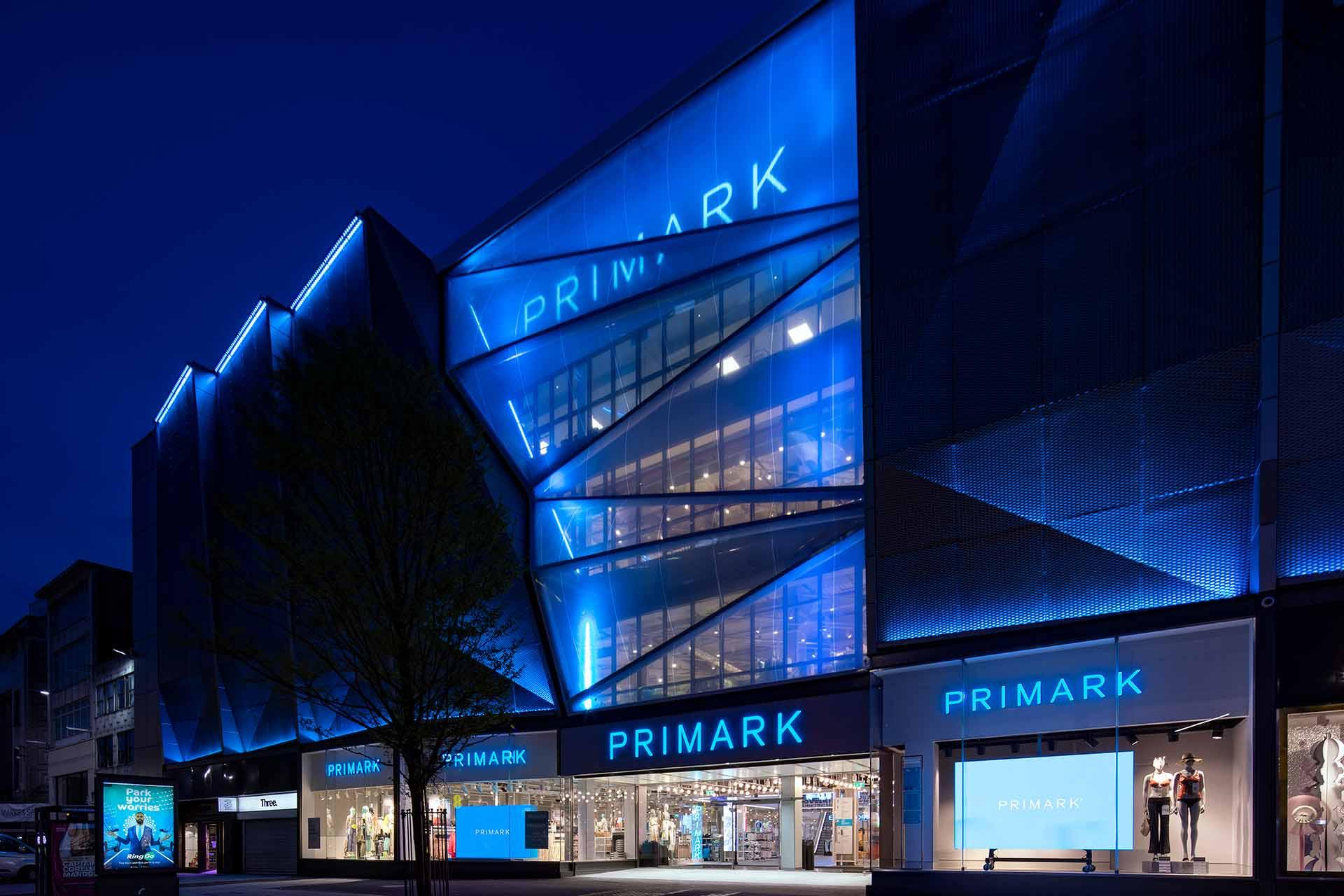
Ein großer Einzelhändler eröffnet in der Nähe einer Ihrer Filialen. Noch bevor Sie den Bauantrag gesehen haben, rechnen Sie bereits: Wie viele Ihrer Kunden werden abwandern? Wie viel Laufkundschaft werden Sie verlieren?
Diese Reaktion ist verständlich. Und in vielen Fällen falsch.
Ob ein neuer Wettbewerber Ihrer Filiale schadet oder nützt, hängt von Faktoren ab, die die meisten Einzelhändler nie messen: die Art des Einzelhandelsumfelds, die Entfernung, das Besucherprofil des Konkurrenten und den Überschneidungsgrad Ihrer Einzugsgebiete. Der Primark-Effekt ist die deutlichste reale Fallstudie, die wir haben, um diese Frage mit echten Daten zu beantworten. Wir haben drei aktuelle Primark-Eröffnungen in Großbritannien, Frankreich und Spanien analysiert, um herauszufinden, was tatsächlich mit den umliegenden Geschäften passiert.
Was ist der Primark-Effekt?
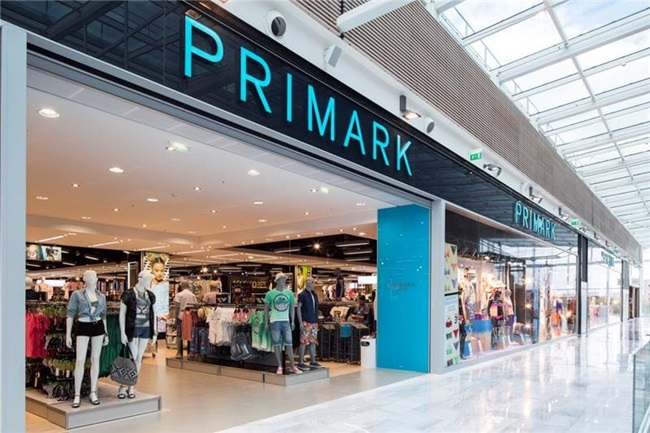
Der Primark-Effekt beschreibt ein doppeltes Phänomen, das sich bei jeder neuen Primark-Eröffnung zeigt. Einerseits zieht die Eröffnung ein erhebliches Besuchervolumen in die unmittelbare Umgebung, Menschen, die diesen Standort sonst möglicherweise nicht besucht hätten. Andererseits werden genau diese Besucher größtenteils von Primark selbst absorbiert, potenziell auf Kosten von Händlern, die sich knapp außerhalb des Hochfrequenzbereichs befinden.
Zwei Kräfte. Beide plausibel. Doch welche dominiert in der Praxis?
Um das herauszufinden, haben wir Gini by MyTraffic genutzt, um die Besucherfrequenz vor und nach drei aktuellen Primark-Eröffnungen zu vergleichen:
- Trafford Palazzo, Manchester (Großbritannien), Eröffnung August 2025
- L'Heure Tranquille, Tours (Frankreich), Eröffnung Dezember 2024
- La Vaguada, Madrid (Spanien), Eröffnung Februar 2024
Für jeden Standort haben wir Heatmap-Daten im Jahresvergleich verglichen, um zu messen, wie sich die Besucherfrequenz auf Einkaufszentrumsebene nach der Eröffnung verändert hat.
Was die Daten wirklich zeigen
Kurz zusammengefasst: Primark bringt Besucher. Jede untersuchte Eröffnung führte zu einem messbaren Anstieg der Besucherfrequenz im gesamten umliegenden Einkaufszentrum, nicht nur direkt vor dem Primark-Store.
Das Ausmaß variierte je nach Markt erheblich:
- Großbritannien (+5 %): Ein bescheidener, aber realer Anstieg im Trafford Palazzo in Manchester. Das ist bereits eines der frequentiertesten Einkaufsziele im Norden Englands, die Ausgangsbasis ist hoch, was einen Zuwachs von 5 % in absoluten Zahlen bedeutsam macht.
- Frankreich (+28,7 %): Ein deutlicher Anstieg in L'Heure Tranquille in Tours, der von Januar 2024 bis Januar 2025 über das gesamte Einkaufszentrum hinweg sichtbar war.
- Spanien (+29,4 %): Ein nahezu identisches Bild in La Vaguada in Madrid, mit einem starken Anstieg der Besucherfrequenz im Jahr nach der Eröffnung.
In allen drei Fällen schrumpften die frequenzstarken Zonen in der Umgebung, also die Bereiche, die bereits vor Primarks Ankunft Besucher anzogen, nicht. Die Befürchtung, Primark würde den Nachbargeschäften vorhandene Laufkundschaft »stehlen«, bewahrheitete sich in diesen Einkaufszentrumsumgebungen nicht.
Die Theorie vom Frequenzdiebstahl ist nicht vollständig falsch, aber sie zeigt sich je nach Kontext unterschiedlich. Einzelhandel in Einkaufszentren schafft einen geschlossenen Kreislauf: Wer erst einmal drin ist, tendiert dazu, über das ursprüngliche Ziel hinaus zu bummeln. Eine Primark-Eröffnung bringt neue Besucher in diesen Kreislauf, von dem benachbarte Mieter profitieren. Im Straßenhandel ist das anders: Dort ist die Besucherfrequenz linearer und in Summe konstant. Ein dominantes Ankergschäft kann Fußgängerströme tatsächlich von benachbarten unabhängigen Händlern weglenken.
Wenn Primark in der Nähe Ihres Ladens in der Innenstadt eröffnet, ist die Lage weniger eindeutig. Handelt es sich um eine Eröffnung in einem Einkaufszentrum, deuten die Daten darauf hin, dass Sie eher gewinnen als verlieren werden.
Was das für Ihre Filiale bedeutet
Den Primark-Effekt zu verstehen ist nicht nur interessanter Hintergrund, es verändert grundsätzlich, wie Sie Ihr Einzelhandelsumfeld im Alltag betrachten sollten.
Ihre Nachbarn sind eine Variable in Ihrer Performance, ob Sie diese Variable aktiv steuern oder nicht.
Die meisten Einzelhändler behandeln den Standort als feste Entscheidung: Man eröffnet, betreibt und misst. Aber Ihr Einzugsgebiet verändert sich ständig. Nueröffnungen, Schließungen, Umbesetzungen bei Ankermietern, jede Veränderung verteilt die Besucherströme um Sie herum neu. Die Einzelhändler, die überdurchschnittlich abschneiden, sind nicht unbedingt besser platziert; es sind diejenigen, die wissen, was in ihrer Region passiert, bevor es sich auf ihre Zahlen auswirkt.
Die Nähe zu einem Ankermieter ist einer der am meisten unterschätzten Hebel in der Retail-Netzwerkstrategie. Einkaufszentrums-Manager rekrutieren gezielt Frequenzanker wie Primark, H&M oder Zara, weil sie wissen, dass diese Marken Besucher anziehen, die sich dann über das restliche Zentrum verteilen. Wenn Sie einen neuen Standort evaluieren, ist eine der ersten Fragen: Wer sind die Ankermieter, und wie sieht ihr Frequenzprofil aus? Ein Standort neben einem besucherstarken Anker in einem Einkaufszentrum ist strukturell anders zu bewerten als dieselbe Fläche in einem isolierten Fachmarktzentrum.
Wenn ein großer Konkurrent in Ihrer Nähe eröffnet, ist Messen die richtige Reaktion, nicht Vermuten. Die Einzelhändler, die nach einer Primark-Eröffnung gelitten haben, falls es solche gab, waren diejenigen, die es nicht kommen sahen und die Auswirkungen danach nicht quantifizieren konnten. Mit Frequenzdaten können Sie verfolgen, ob Ihre Besucherzahlen stabil bleiben, wohin die neuen Besucher in der Umgebung gehen, und ob Ihr Einzugsgebiet wächst oder schrumpft. Das ist der Unterschied zwischen einer sechs Monate zu späten Reaktion und einer Strategieanpassung in Echtzeit.
Die 500-Meter-Frage ist wichtiger als die 5-km-Frage. Einzelhandelswettbewerb ist hyperlokal. Eine Primark-Eröffnung 800 Meter von Ihrer Filiale entfernt hat eine andere Auswirkung als eine in 200 Meter Entfernung. Die Heatmap-Daten machen das sichtbar, aber nur, wenn man sie mit ausreichend feiner Granularität betrachtet. Aggregierte Marktanteile werden Ihnen nicht verraten, was auf Straßenebene passiert.
So führen Sie diese Analyse für Ihr eigenes Netzwerk durch
Die Methodik dieser Studie, Heatmap-Vergleich, Jahresvergleich der Frequenz-Indexierung, Einzugsgebietskartierung, ist genau das, wofür Gini by MyTraffic entwickelt wurde.
Anstatt Datenpunkte einzeln abzurufen, können Sie Gini direkt befragen: „Wie hat sich die Besucherfrequenz rund um meine Filiale in Tours seit Dezember 2024 verändert?“ oder „Welche meiner Filialen sind am stärksten von der neuen Primark-Eröffnung in Manchester betroffen?“, und erhalten eine strukturierte, direkt umsetzbare Antwort.
Für Einzelhändler, Gastronomiebetreiber und FMCG-Marken, die europaweit Mehrstandort-Netzwerke betreiben, ist das der Unterschied zwischen dem Reagieren auf das eigene Umfeld und dem tatsächlichen Verstehen desselben.
Häufig gestellte Fragen
Erhöht die Eröffnung eines Primark die Besucherfrequenz für nahegelegene Geschäfte?
In Einkaufszentrumsumgebungen: ja. Laut der Analyse von MyTraffic über drei aktuelle Eröffnungen in Großbritannien, Frankreich und Spanien generierte jeder neue Primark-Store einen messbaren Anstieg der Besucherfrequenz auf Einkaufszentrumsebene, zwischen 5 % in Großbritannien und knapp 30 % in Frankreich und Spanien. Nahegelegene Händler im Zentrum profitieren tendenziell von den zusätzlichen Besuchern, die Primark anzieht. Für Läden in der Fußgängerzone ist das Bild weniger klar: Dort sind die Besucherströme linearer, und ein dominanter Ankerladen kann Fußgänger eher umlenken als deren Gesamtzahl zu erhöhen.
Wie erkenne ich, ob eine Neeröffnung eines Konkurrenten in meiner Nähe meiner Besucherfrequenz schadet?
Der einzig verlässliche Weg ist, Ihre Besucherfrequenz vor und nach der Eröffnung zu verfolgen und sie mit dem Gesamttrend der Umgebung zu vergleichen. Wenn die Umgebung Besucher hinzugewinnt, Ihr Geschäft aber nicht, ist das ein Zeichen dafür, dass Ihr Einzugsgebiet beeinträchtigt wird. Wenn Ihre Frequenz stabil bleibt oder mit dem Umgebungsanstieg mitzieht, schadet Ihnen die Eröffnung nicht. Tools wie Gini by MyTraffic ermöglichen diesen Vergleich auf Adressebene, sodass Sie sehen, was rund um Ihr konkretes Geschäft tatsächlich passiert, anstatt Annahmen zu treffen.
Was ist ein Ankermieter und warum ist er für den Standort meines Geschäfts relevant?
Ein Ankermieter ist ein frequenzstarker Händler, typischerweise eine große Mode-, Lebensmittel- oder Einrichtungsmarke, den ein Einkaufszentrum oder Projektentwickler einsetzt, um Besucher für das gesamte Areal zu gewinnen. Seine Präsenz zieht Besucher an, die sich dann über den Ankerladen hinaus im Zentrum bewegen. Für benachbarte Händler ist die Nähe zu einem starken Ankermieter einer der zuverlässigsten strukturellen Vorteile, den ein Standort bieten kann. Bei der Bewertung eines neuen Standorts lohnt es sich, den Ankermietermix genauso sorgfältig zu analysieren wie die Miete oder die Demografie des Einzugsgebiets.
Mit welchem Tool kann ich das kommerzielle Potenzial eines Standorts vor der Eröffnung einer Filiale messen?
Gini by MyTraffic ermöglicht die Analyse von Besucherfrequenz, soziodemografischen Profilen, Wettbewerbsdichte und Einzugsgebietsdynamik für jede Adresse in Europa. Sie können einen potenziellen Standort mit Ihrem bestehenden Netzwerk vergleichen, herausfinden, welche Standorte die Erfolgsfaktoren Ihrer Top-Performer teilen, und einen Standort unter verschiedenen Wettbewerbsszenarien testen, bevor Sie einen Mietvertrag unterzeichnen.
To resume
Der Primark-Effekt ist real. Bei den jüngsten Eröffnungen in Großbritannien, Frankreich und Spanien generierte jeder neue Primark-Store einen messbaren Anstieg der Besucherfrequenz in der unmittelbaren Einkaufszentrumsumgebung, mit Wachstum von bescheiden bis sehr deutlich. Auch wenn sich dieser Anstieg in diesen Einkaufszentrumsumgebungen nicht sichtbar auf die bereits frequenzstarken Zonen ausgewirkt hat, bestätigt er eindrucksvoll Primarks Fähigkeit, Besucher anzuziehen und sein unmittelbares Umfeld zu beleben.

.jpg)
.jpg)